
Climbing equipment costs a lot, but what you're paying for is a specialized piece of equipment that is tested and made exclusively for climbing.

There are very strict requirements for all climbing equipment and it is important that everything you buy is tested and marked with a UIAA (Union Internationale des Associations d'Alpinisme) and/or CE mark.
Keep in mind that ropes, slings and harnesses are perishable. The synthetic material of this type of equipment ages whether you use it or not. Therefore, make sure that you do not buy old equipment. The date of manufacture should be indicated on the equipment.
Hardware such as carbs and brakes have a virtually unlimited lifespan unless you drop them from several meters or otherwise damage them. If in doubt, it is better to discard and replace the suspected damaged equipment. Therefore, never use equipment that you find somewhere. Don't buy second-hand if you don't know what it's been through.
Many shops that sell climbing equipment sell basic equipment in packages. Such a package usually contains a harness, shoes, screw carabiner, rope brake and chalk bag. The rope brake must not be replaced by a belay device. Make sure that the harness and shoes fit comfortably - try on several different models and, if necessary, dispense with the package.
Things to consider when buying equipment
Selar
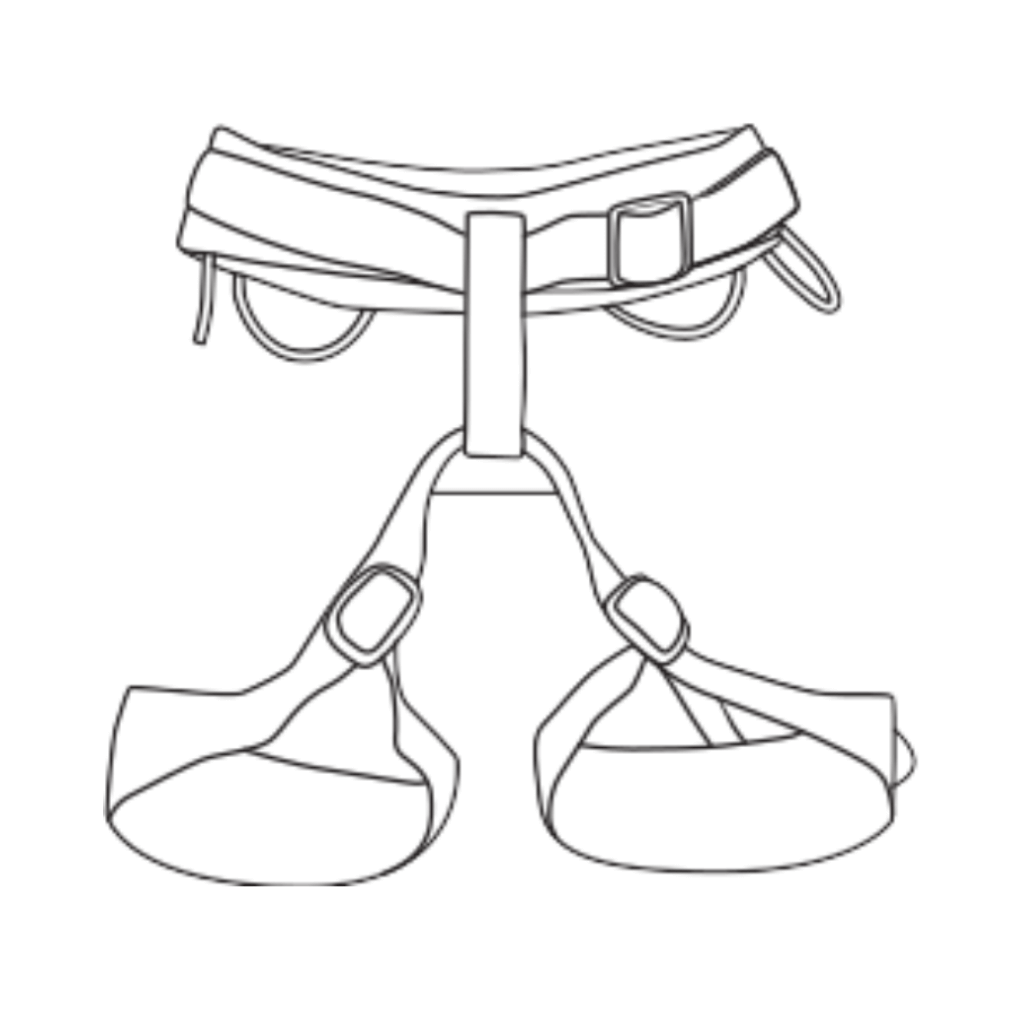
Try out a harness that is comfortable and fits your body shape. There are harnesses made specifically for women. There are two types of buckles, quick-locking and a variant that must be locked manually. You can also choose between fixed or adjustable leg loops.
Shoes
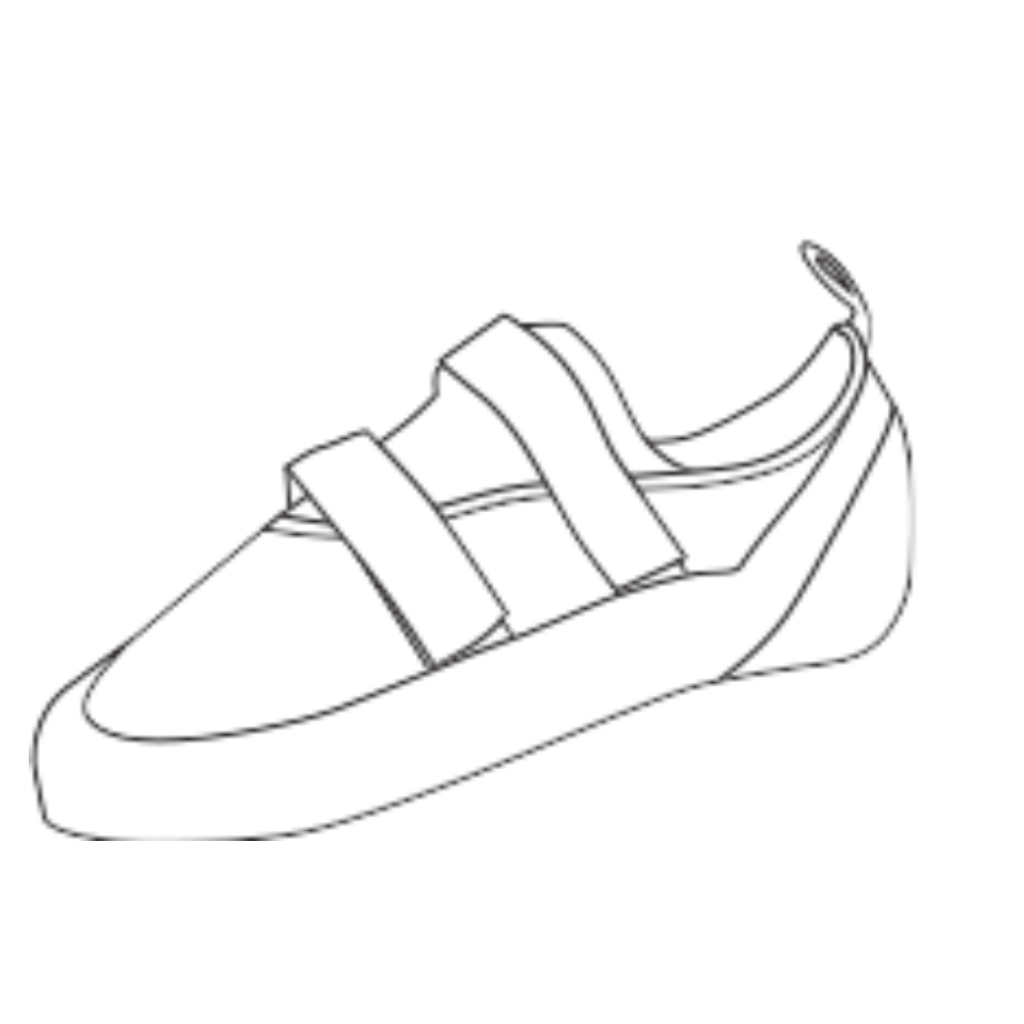
Your shoes should fit tightly around your entire foot, but not so tight that it hurts or pinches immediately. The shoes should be comfortable. Try different brands and models. There are shoes for all types of feet. Take your time and be picky. For beginners, it's a good idea to choose a shoe with a slightly stiffer sole.
Carbine
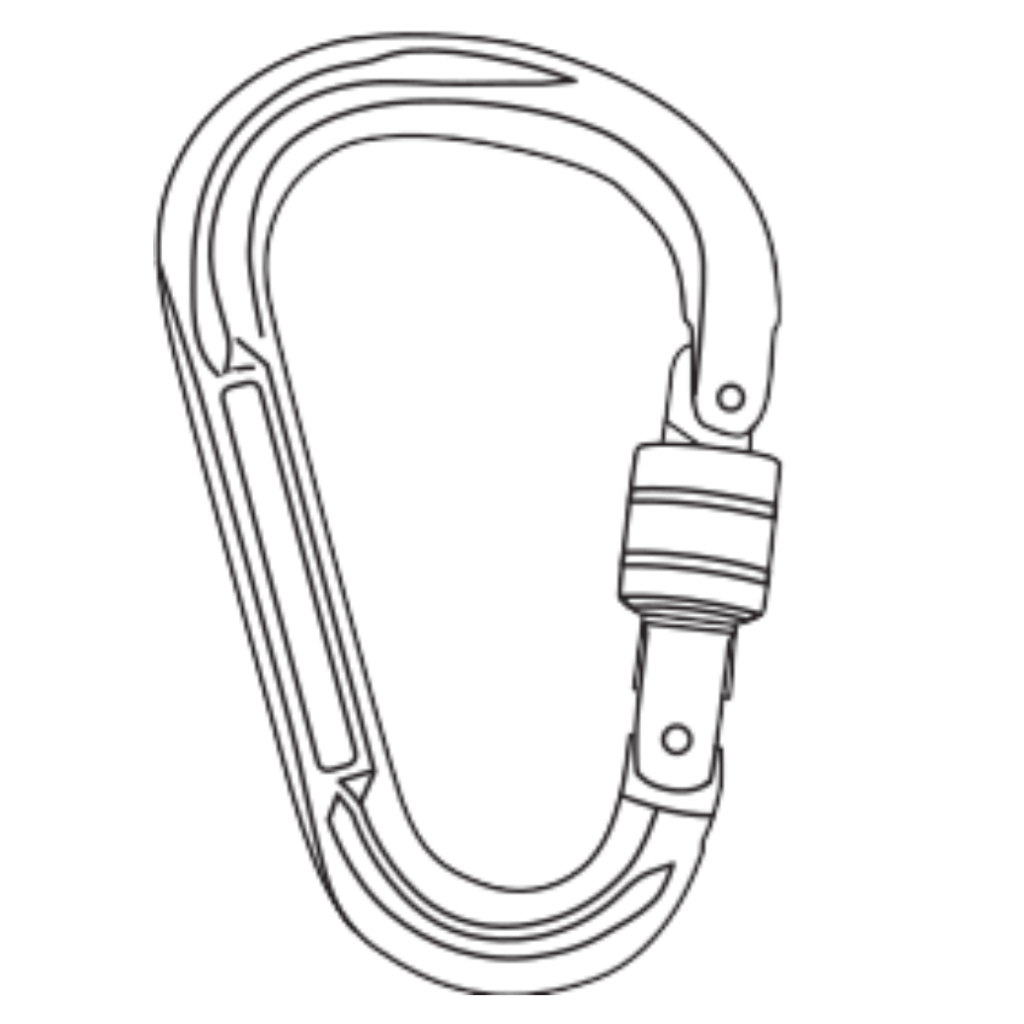
There are lockable and non-lockable carabiners. For rope brakes, you should always use a lockable carabiner. Of these, the most common and safest is the screw carabiner, where you screw the lock to the closed position over the gate opening yourself. Another type of lockable carabiner is the twistlock model, which locks the gate with the help of a spring.
Rope brakes
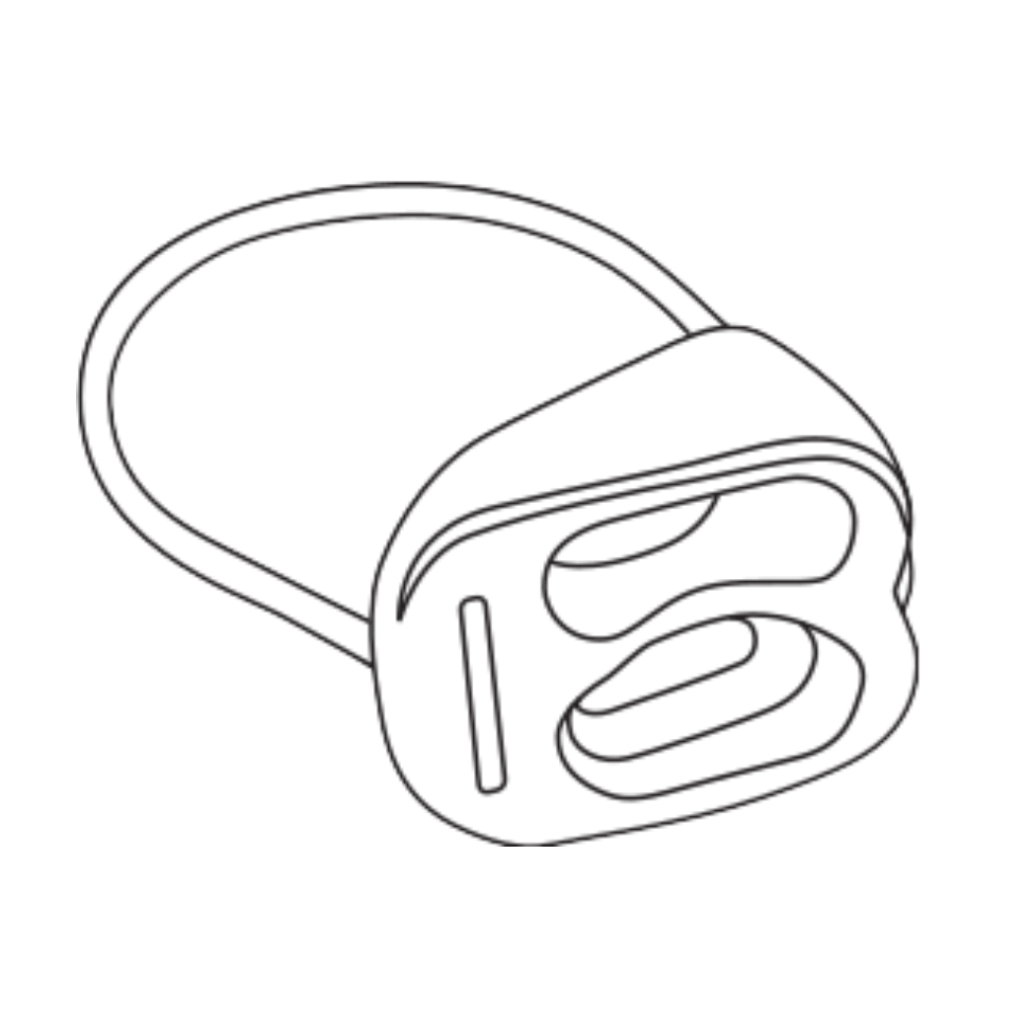
You should learn safe handling with a slot model brake. ATC, Variable Controller, Stitch and bucket all work in the same way. Unlike, for example, the GRIGRI (below), they provide dynamic braking under heavy load.
Auxiliary locking brakes
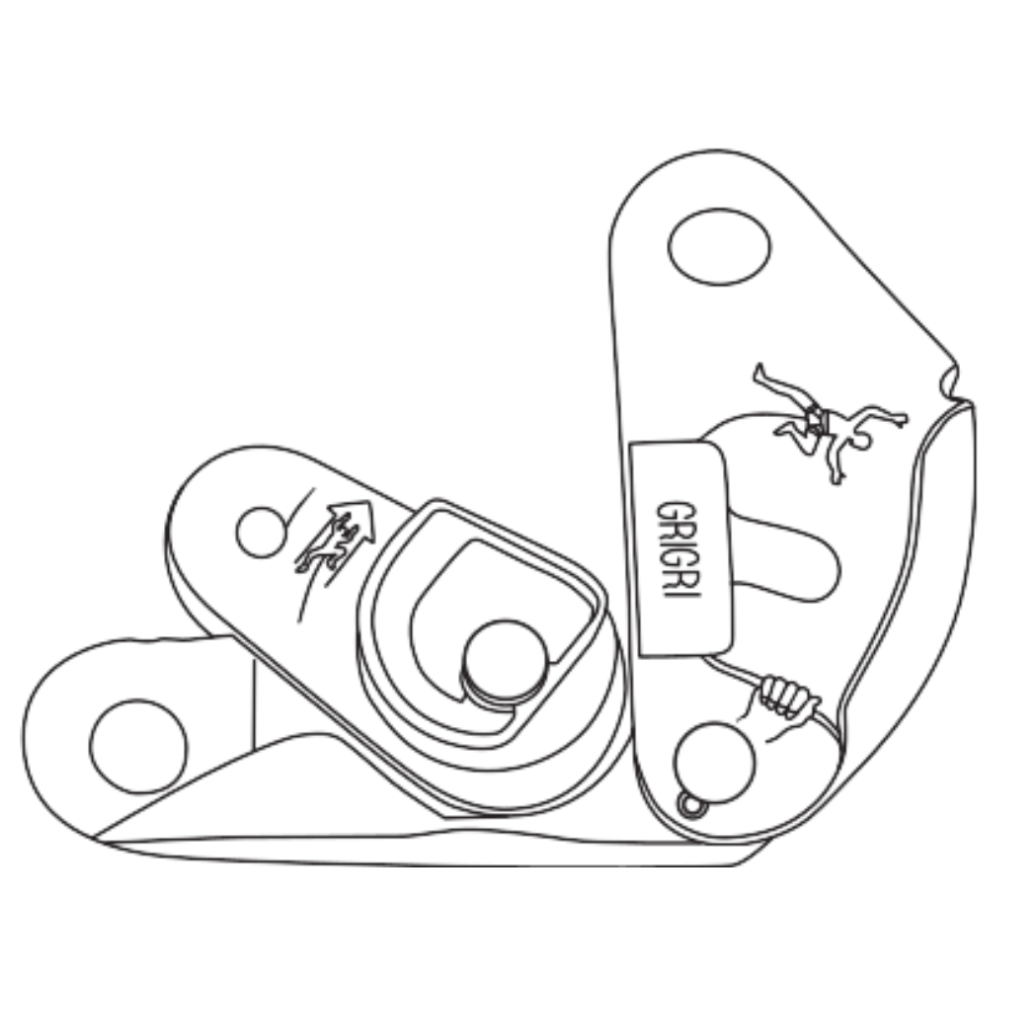
A GRIGRI (or other types of auxiliary locking brakes) is a good alternative to a standard rope brake, but you should first learn standard belaying techniques with a slot-type brake and fully master that brake before getting an auxiliary locking brake.
Scribble bags
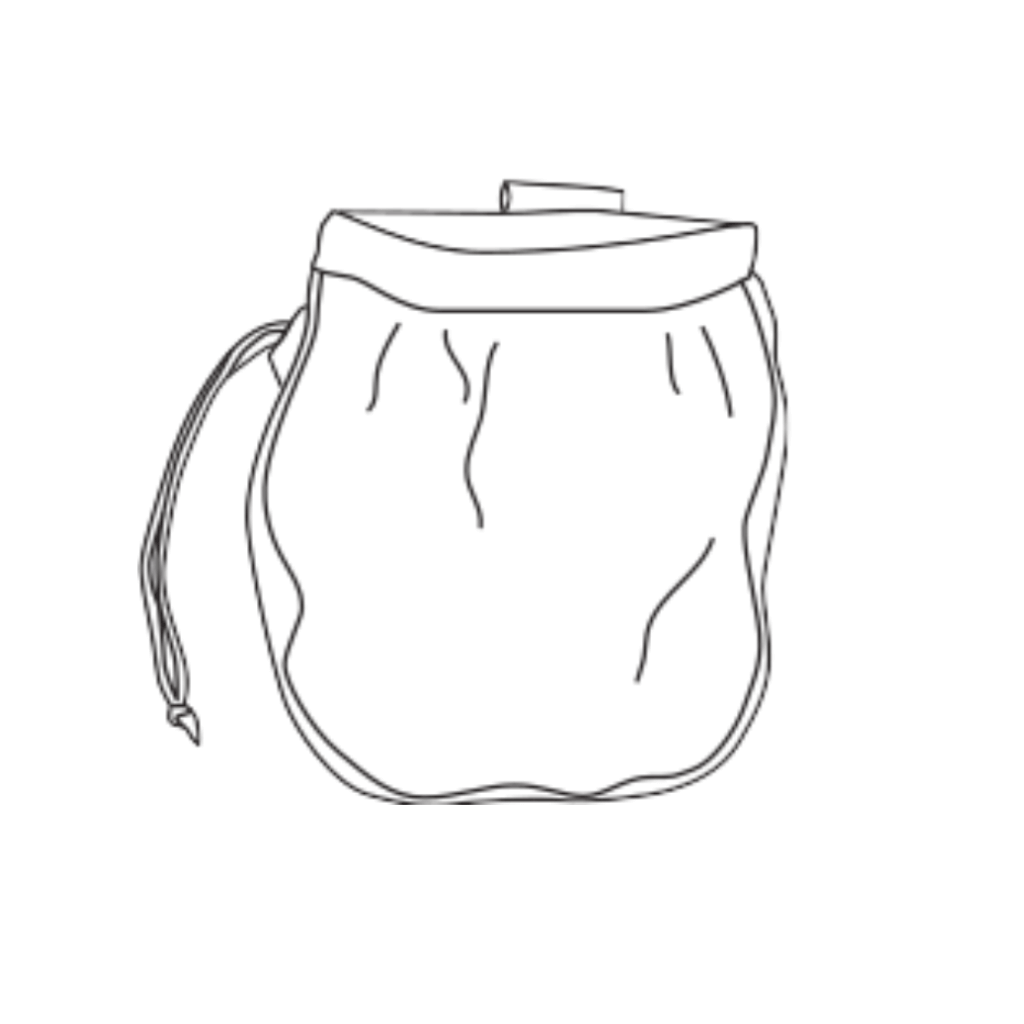
The chalk bag should have a loop on the back where you can attach it to a waist belt or a piece of rope. Chalk (magnesium carbonate) is available both in solid form, as a loose powder, and in balls (mesh filled with powder).
Repet
After you've been climbing for a while, you might want to buy your own rope. Remember to buy a rope that is made for climbing and not for anything else. The price is quite high but at the same time you get a guarantee that the rope is checked and made for climbing. The difference between regular ropes and climbing ropes is that climbing ropes are dynamic, while regular ropes are static. In the event of a fall, a dynamic rope catches the climber and gently brakes the fall. A static rope stops a fall silently, which can cause injuries to the spine, pelvis and internal organs. The rope is an important piece of equipment - don't skimp on it.
Climbing ropes come in a variety of colors, patterns, lengths and thicknesses. You should buy a rope that can be used for both indoor and outdoor use. A common length of rope is 60 m. The rope should be within the recommended diameter for the brake you are using. Color and pattern are a matter of taste. The rope should be marked in the middle using rope paint. This is so that you know that the climber can be belayed all the way down to the ground, e.g. when lead climbing. The marking is also good for repelling.
Keep in mind that a climbing rope is a perishable product. Check with the manufacturer/manual on when to dispose of the rope.
Rope durability
Intensive use - daily: 1 year
Intensive use - weekly: 2 years
Normal use: 3 years
Weekly in season: 5 years
Several times a year: 7 years
Occasional use: 10 years
The above figures are approximate and you should check your rope regularly. Always follow the manufacturer's recommendations.
When should I dispose of my rope?
Discard if:
- The rope is older than 10 years. Check the manufacturer's recommendations.
- The rope has experienced one or more heavy falls as indicated by the manufacturer.
- You can see the white core through the mantle.
- The core is damaged to the extent that the rope can be folded without forming a bend.
Take care of your rope
- Never stand on a rope. You will trample dirt into the sheath which can damage the rope.
- Keep it in a dark place. It will last longer.
- Never wrap a wet rope. Let it air dry first.
- Beware of sharp objects.
- Acids, oils, solvents and other chemicals are harmful to the nylon in the rope.
- Check your rope regularly for damage and wear.